Social Security Disability Federal Court Appeals in Colorado
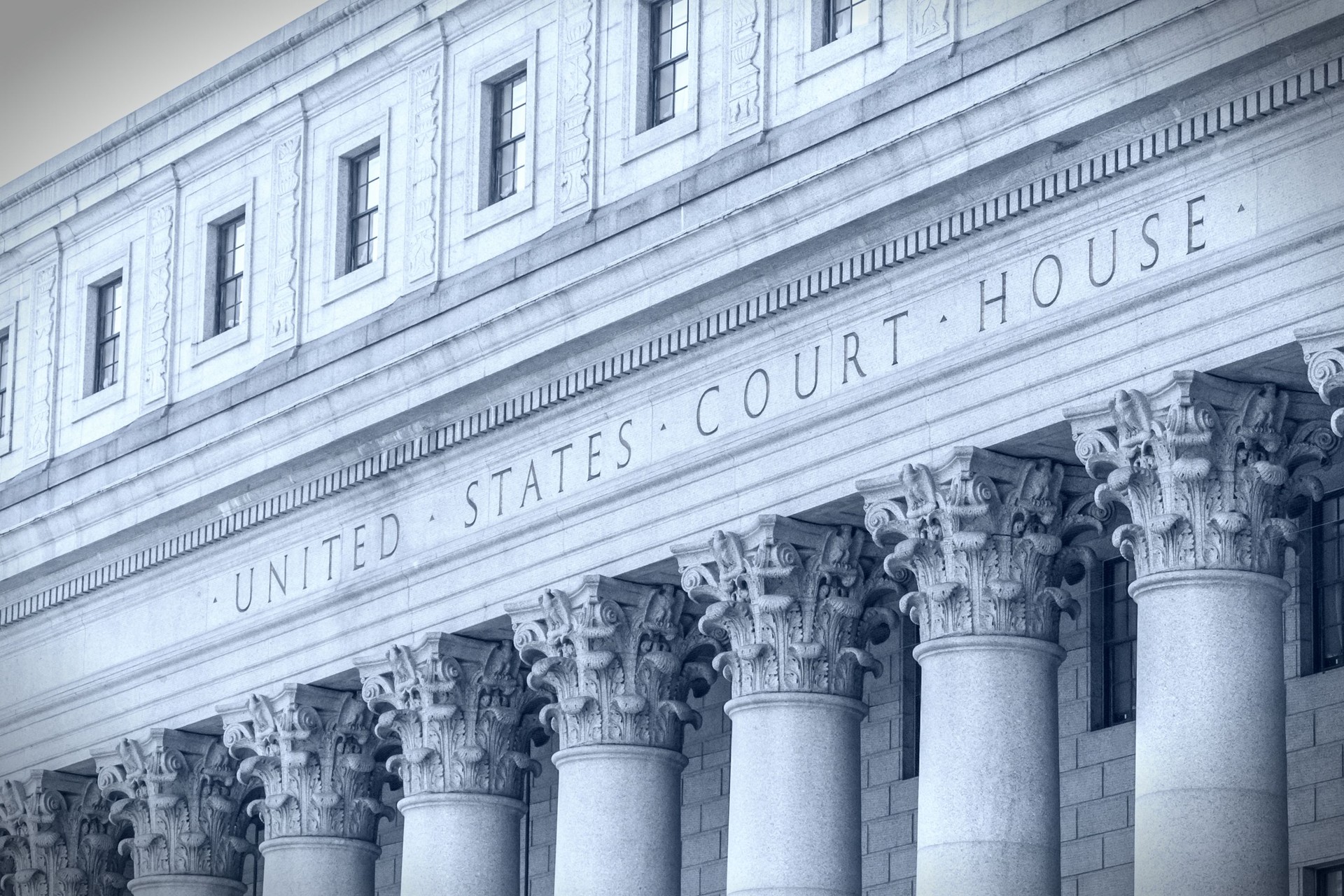
If the Social Security Appeals Council has denied review of your disability claim, the next step is an appeal to federal court. For Colorado residents, that appeal is filed in the United States District Court for the District of Colorado in Denver. Burgess Disability Law is admitted to practice in that court and handles these appeals for claimants throughout the state.
Who can appeal to federal court
You can file a federal court appeal once the Social Security Administration has issued a final decision. That usually means an administrative law judge (ALJ) denied your SSDI or SSI claim and the Appeals Council then denied your request for review. Under 42 U.S.C. § 405(g), you file in the federal district where you live, so Colorado residents file in the District of Colorado.
The 60-day deadline
You generally have 60 days from the date you receive the Appeals Council's notice to file. Social Security presumes you received the notice five days after the date printed on it. If you have missed the deadline, the Appeals Council can extend it for good cause, but you must ask for the extension. Don't wait. Contact us as soon as you receive the denial.
How a Colorado federal appeal works
Complaint: We file a complaint asking the court to review Social Security's decision.
Administrative record: Social Security files the certified record, including your medical evidence, the hearing transcript, and the ALJ's decision.
Briefing: We file a brief explaining the legal errors in the decision. Social Security responds, and we can file a reply.
Decision: A federal judge decides whether the ALJ applied the correct law and whether substantial evidence supports the decision. Most successful appeals result in a remand, meaning the case goes back to Social Security for a new hearing and decision. Less often, the court orders benefits paid.
There is no new hearing in federal court, and you do not testify. The case is decided on the written record and the briefs.
Tenth Circuit law applies
Federal courts in Colorado follow the decisions of the U.S. Court of Appeals for the Tenth Circuit. Tenth Circuit precedent sets important limits on how ALJs evaluate evidence. For example, an ALJ may not pick and choose only the parts of a medical opinion that support denial (Haga v. Astrue, 482 F.3d 1205 (10th Cir. 2007)), and an ALJ must discuss significantly probative evidence that he or she rejects (Clifton v. Chater, 79 F.3d 1007 (10th Cir. 1996)). We review your file for errors like these.
Why Burgess Disability Law
Before entering private practice, attorney Jim Burgess spent more than a decade defending Social Security cases in federal court for the government. He knows how the agency's lawyers evaluate these cases and where ALJ decisions tend to be vulnerable.
Fees
Federal court work in Social Security cases is often paid under the Equal Access to Justice Act or from past-due benefits. See our Fees page for details.
Attorneys and representatives
If you represent claimants at the administrative level in Colorado and want a federal court referral partner, visit our For Referring Attorneys page.